AI Implementation Studio
AI workflows for businesses built on human creativity. Fashion, beauty, hospitality, film, architecture, and more.
Start with a free callThe Gap
Fashion and beauty brands, hotel groups, film productions, and architecture firms sell work that people make. Many of them already use AI somewhere, for images, copy, or customer service.
I build what connects it to the rest of the business. AI workflows tied into your project tracking, client onboarding, and CRM, built side by side with the people who use them, so your team spends less of the week on administration and more of it on the work you sell.
In the UK, 51% of creative businesses report using AI, compared with 33% of all businesses.
UK Government, AI Adoption Plan: Creative Industries, 202659% of UK architecture practices now use AI, up from 41% a year earlier.
RIBA AI Report 2025More than 35% of fashion executives already use generative AI for customer service, image creation, copywriting, or product discovery.
Business of Fashion and McKinsey, The State of Fashion 202617% of organizations have deployed AI agents so far. More than 60% expect to within two years.
Gartner, 2026 CIO and Technology Executive SurveyEvery engagement is scoped to how your business runs today, then built in phases, starting with what matters most.
Connected to the tools you use
I build AI workflows across the tools your team already works in, so repeat work runs without someone doing it by hand.
The engagement starts with the work your team repeats most: the intake, handoff, reporting, or review that someone rebuilds by hand every week. I map how it runs today, connect the tools it touches, and build in phases ordered by what frees up the most time first. Each workflow is documented, so your team can run it and change it after the build.
The structure AI runs on
Before AI can run well, the system underneath it has to be solid. I build the project tracking, SOPs, client onboarding, and CRM workflows your team runs on.
Creative businesses often run on spreadsheets, inboxes, and tools that were added one at a time. I document how work moves between people today, then build the tracking, onboarding, and CRM structure around it. When the current platform has stopped fitting, that includes migrating the team and its data to a new one, with the boards, scripts, and permissions set up before anyone switches over.
Side by side
I work alongside the people who will use the systems, from the first call through the build, so what gets built fits how they actually work.
Fashion houses, hotel groups, film productions, beauty brands, and architecture firms already have people who know the craft. I build around them. Each phase opens with a working session where your team defines how the process should run, and closes with a review before the next phase begins. Between sessions you have a shared Slack channel, and at handover the people who will use the system have been through it and have the documentation.
Every engagement starts with a free 30-minute call. We look at where your team loses the most time to manual work, and I tell you plainly whether I'm the right person to fix it.
From there you choose the depth that fits. A Blueprint gives you a written plan for what to build, in what order, and what it costs. A Build delivers that plan in phases, ordered by what should be built first. Operate keeps the systems maintained and extended as your business changes. Every price is fixed and quoted before work begins. For a Build, we set the scope and price together to fit your budget.
Payment follows the phases, so you can pay in full or fund a larger scope in stages. Throughout the work you have a shared Slack channel for questions between working sessions.
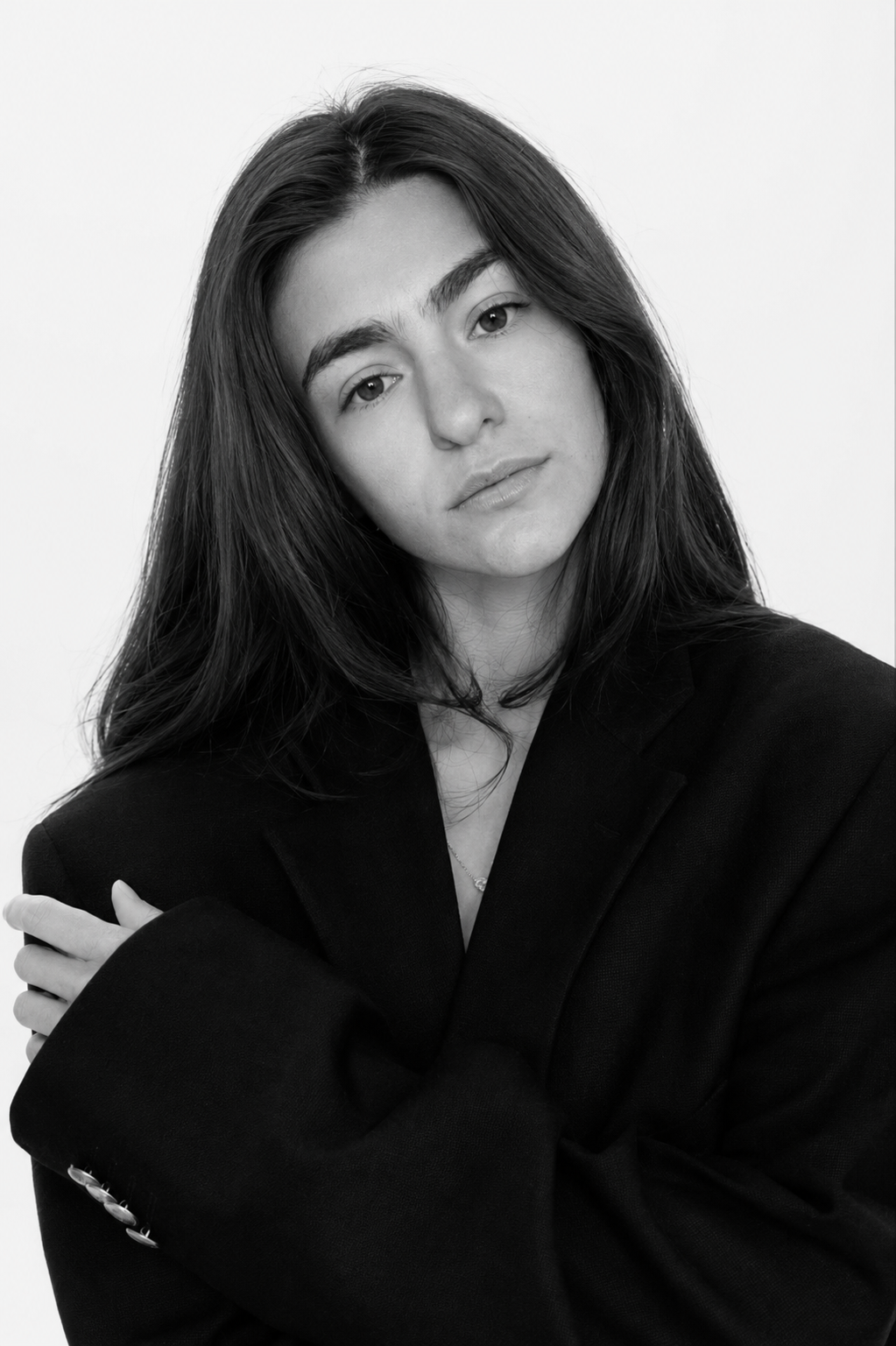
I started EMINENCE because I kept watching people with real vision and no structure to hold it. I'd lived that gap myself, more than once.
I built a six-figure pop-up for influencer marketing events with Who What Wear and Revolve, and spoke about it at Baruch College's Luxury Marketing MBA program. That was the first time I understood I could take something intangible and build a brand experience real enough for strangers to trust.
From there I moved into content and audience strategy for Taho, the wallet from Thesis, the crypto venture studio behind Fold, backed by a16z, Polychain Capital, and Draper Associates. My job was explaining technical products to people who didn't work in tech.
Then I taught myself to code, because I was tired of handing my ideas to engineers and watching them come back wrong. At a boutique data consultancy, I built vendor partnerships from the ground up with dbt, Fivetran, and Snowflake, hosted a speaker series with names across data and AI, ran workshops with BetaNYC, New York's civic tech nonprofit, and took on data migrations other vendors had turned down.
That combination, brand instinct plus the technical fluency to build the systems myself, is what EMINENCE runs on. Now I bring it to the industries I've always wanted to work in: fashion, beauty, hospitality, film, and architecture.
Feel free to get in touch.Every engagement starts with a free 30-minute call. We find where your team loses the most time, and I tell you straight whether I'm the right person to fix it.